MENA Renewable Energy Data and Outlook 2026
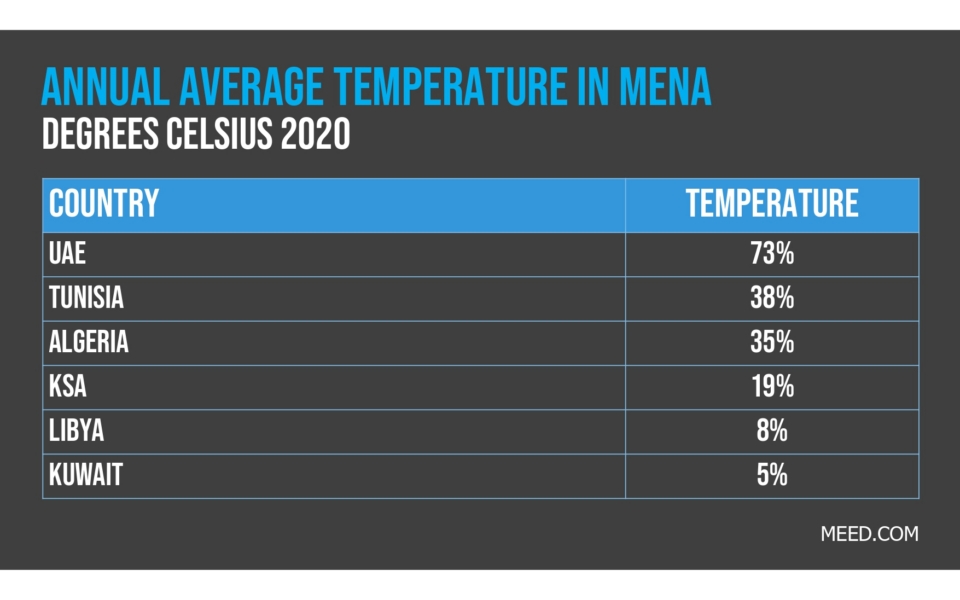
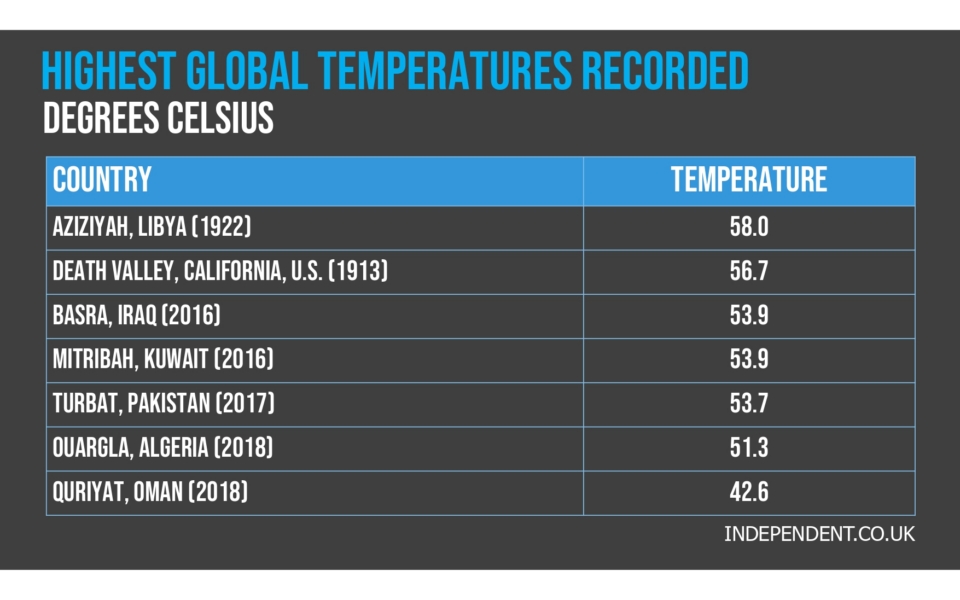
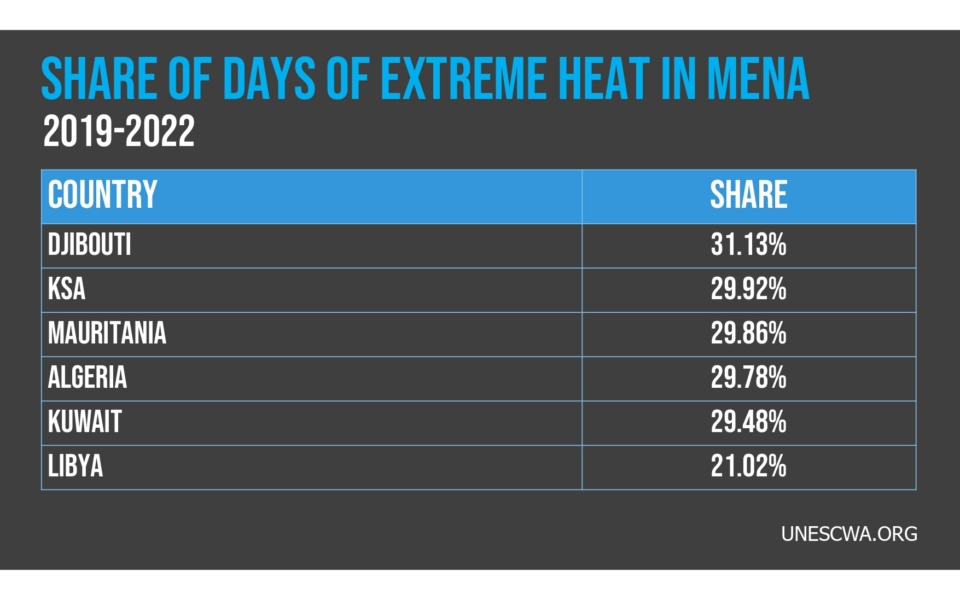
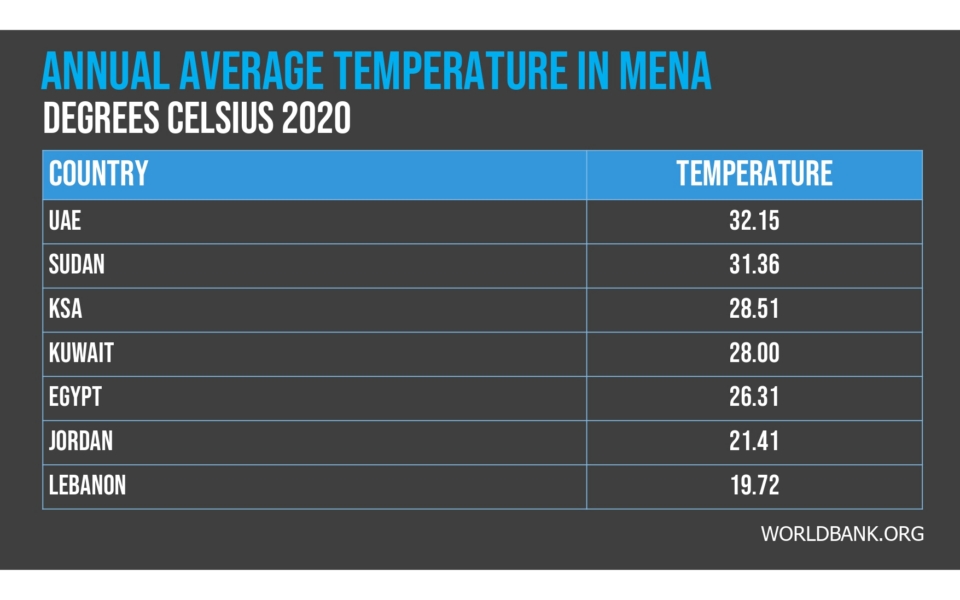
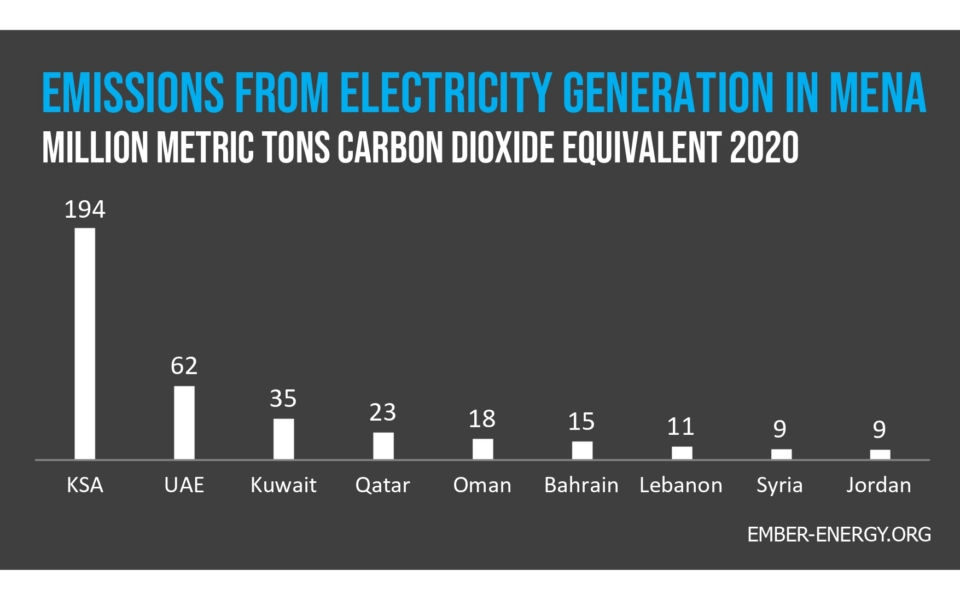
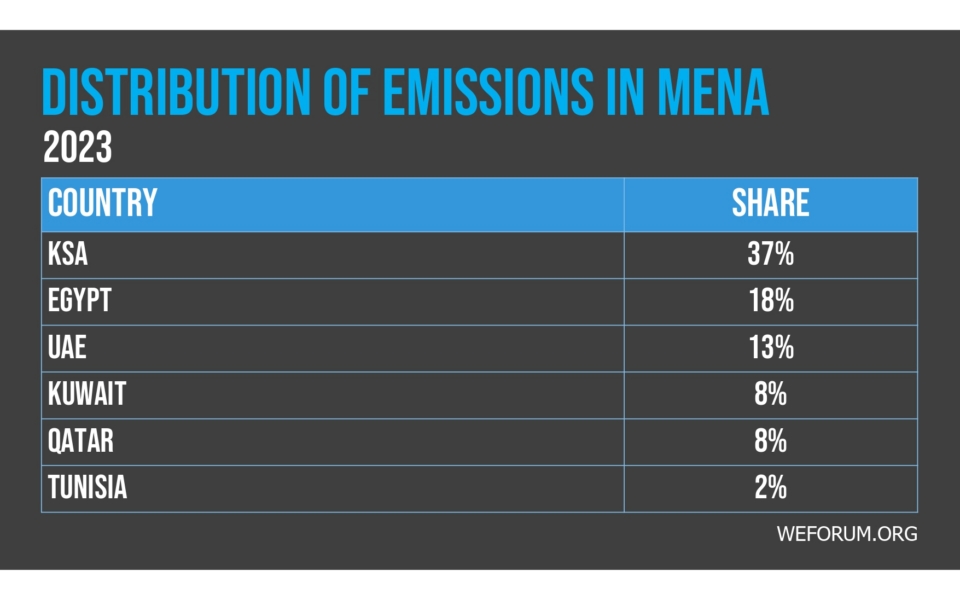
July 2026 – The Middle East and North Africa (MENA) regions are experiencing some of the most visible impacts of Climate Change, with rising temperatures and increasingly frequent extreme heat events becoming a defining challenge for many countries. Nations such as Saudi Arabia, the UAE, Kuwait, and Libya are among the hottest Places in the World, placing growing pressure on energy systems, water resources, and economic development. At the same time, the region remains a significant contributor to global carbon emissions due to its long-standing reliance on fossil fuels, emphasizing the necessity of a more Sustainable Energy future.
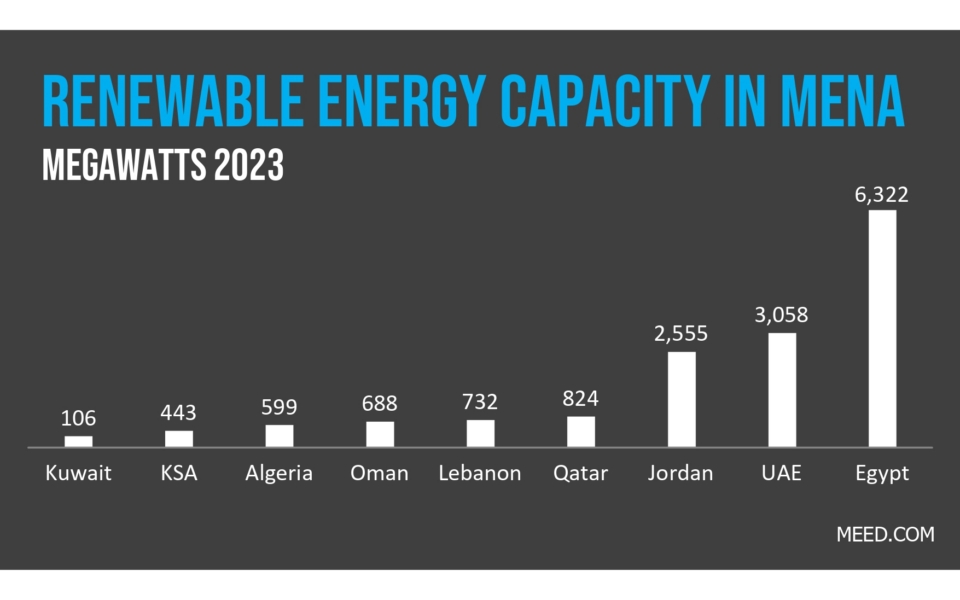
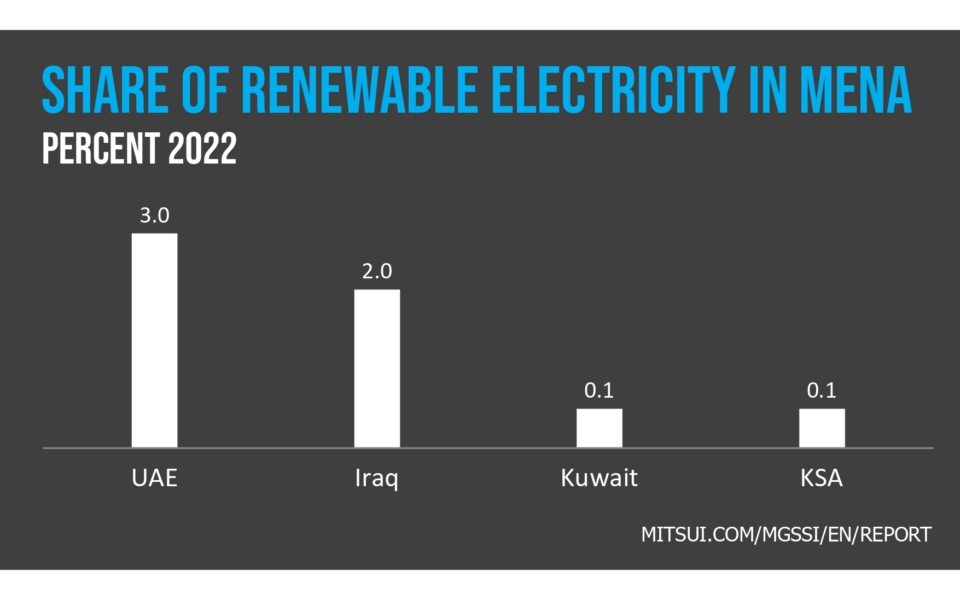
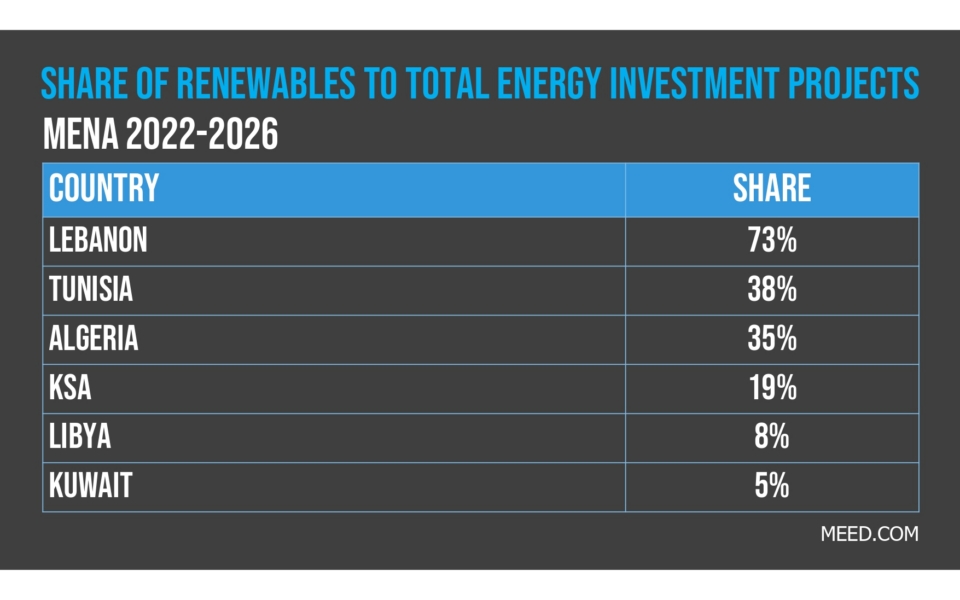
In response to these challenges, Renewable Energy has become a strategic priority across the region. Governments are investing heavily in Solar and other Clean Energy Technologies to diversify their economies and reduce dependence on conventional fuels. The region’s exceptional solar resources provide a natural advantage, and recent years have witnessed a steady increase in renewable energy capacity and electricity generation. Although renewable energy still represents a relatively small share of the overall energy mix in several countries, the pace of development suggests strong momentum for future growth.
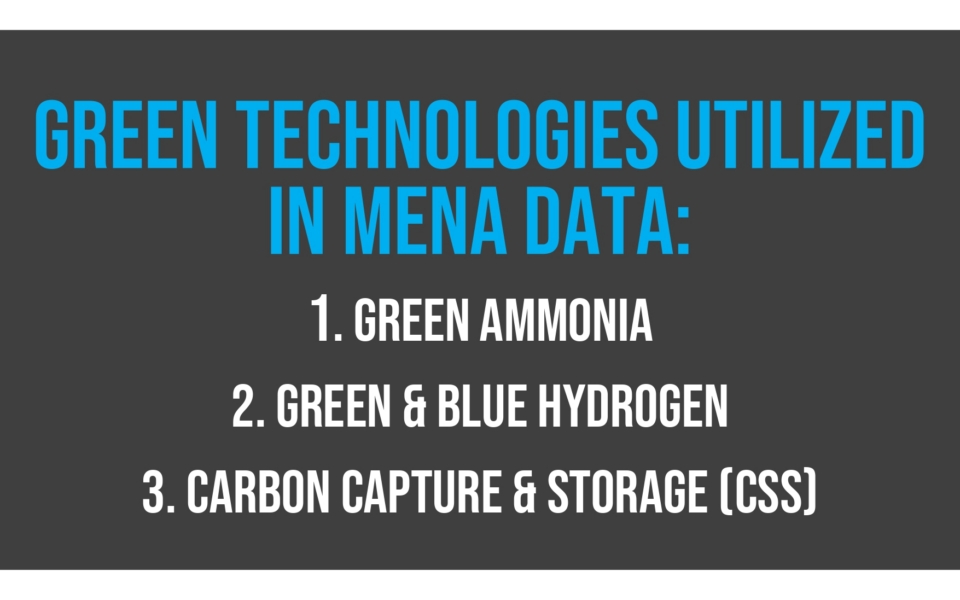
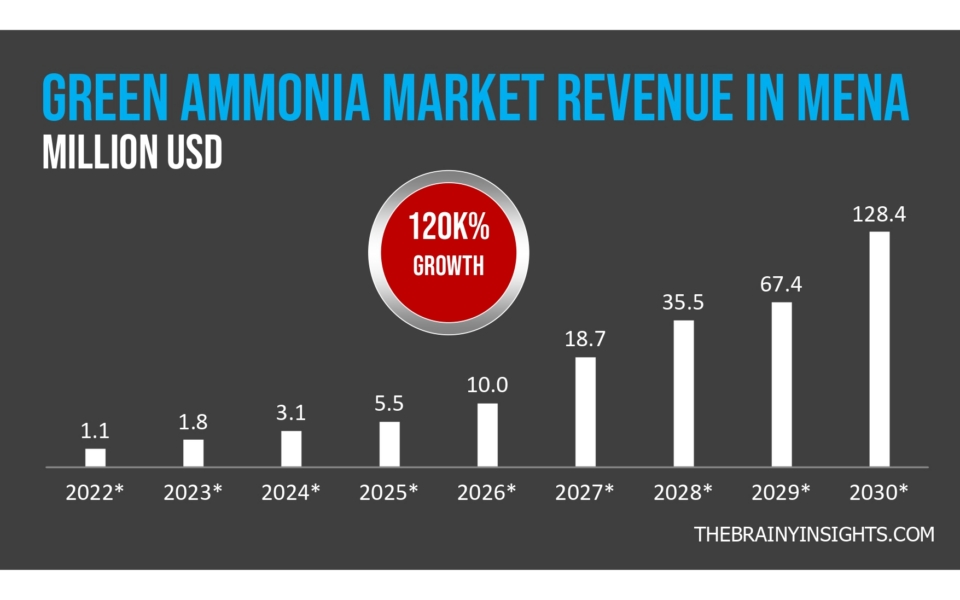
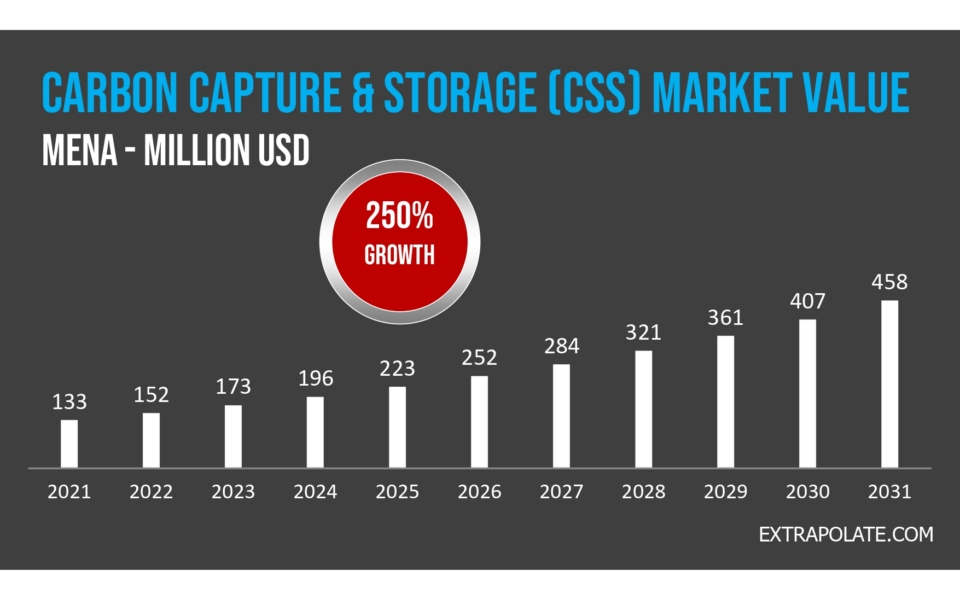
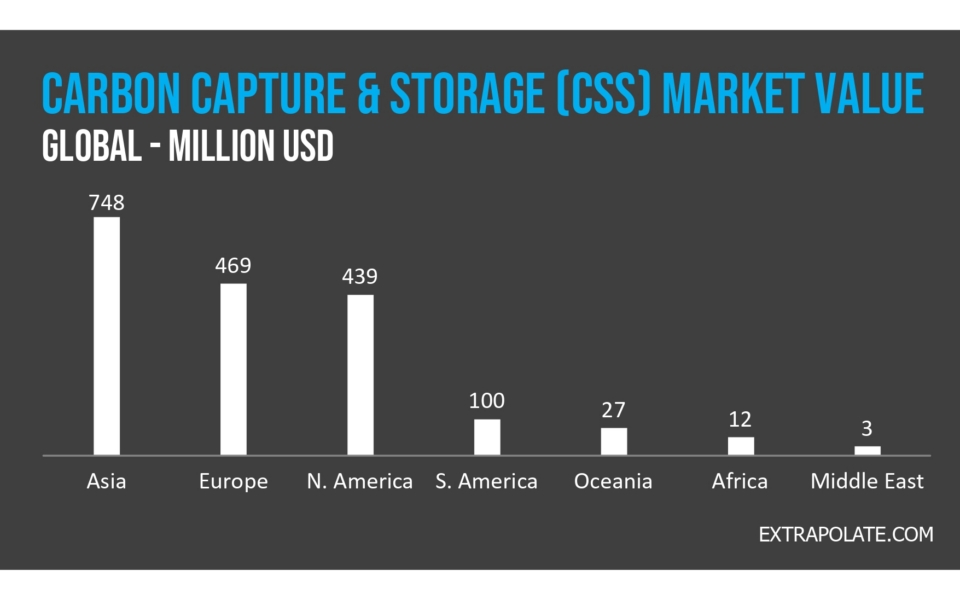
Beyond traditional renewable power projects, emerging technologies are creating new opportunities for economic transformation. Green ammonia, Green and Blue Hydrogen Production, and Carbon Capture and Storage (CSS) are attracting considerable attention from policymakers and investors. These sectors are expected to grow rapidly over the coming decade, positioning the MENA region as a potential global hub for Low-Carbon Energy products. Such Green Investments support climate goals and offer pathways for industrial diversification, job creation, and long-term economic competitiveness.
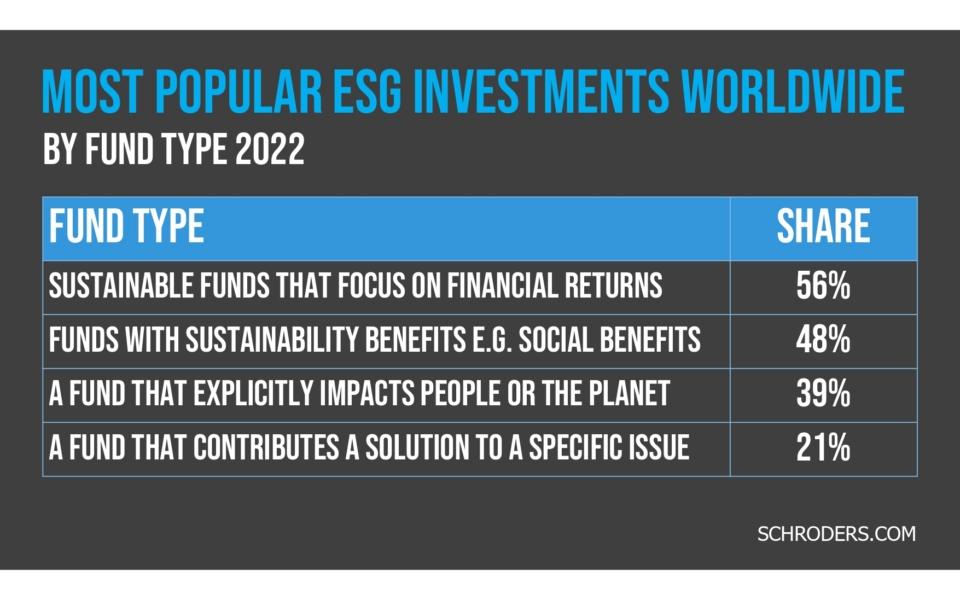
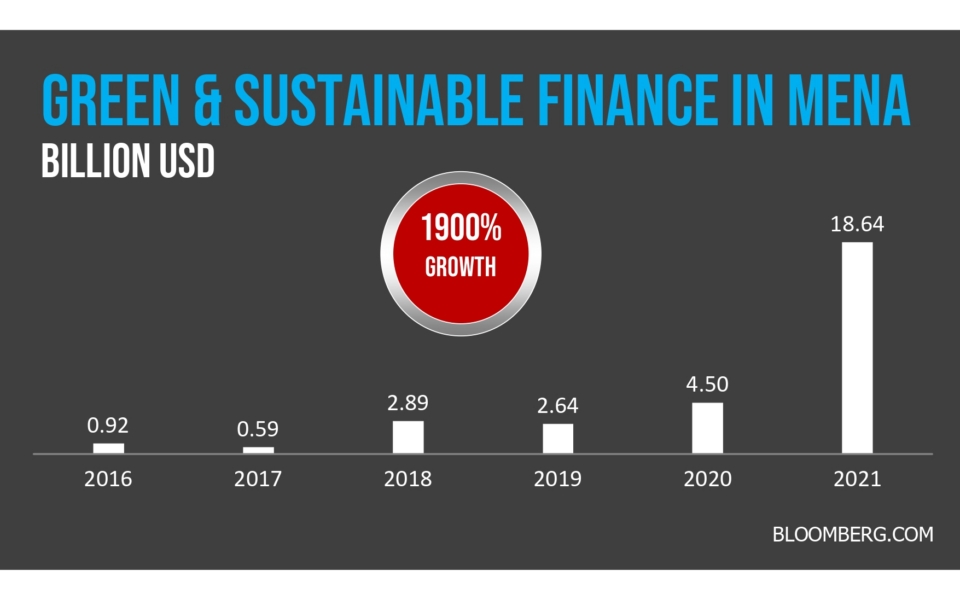
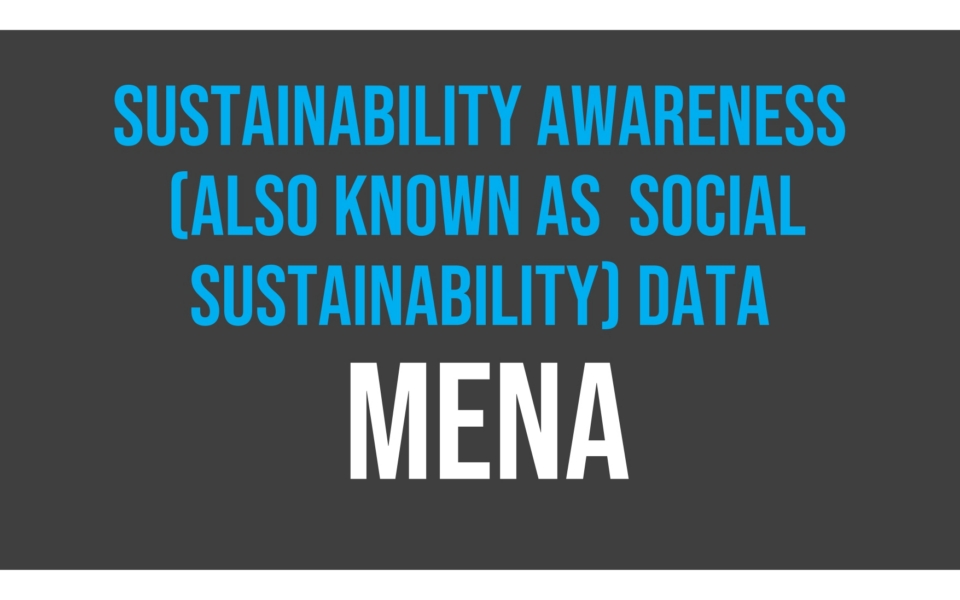
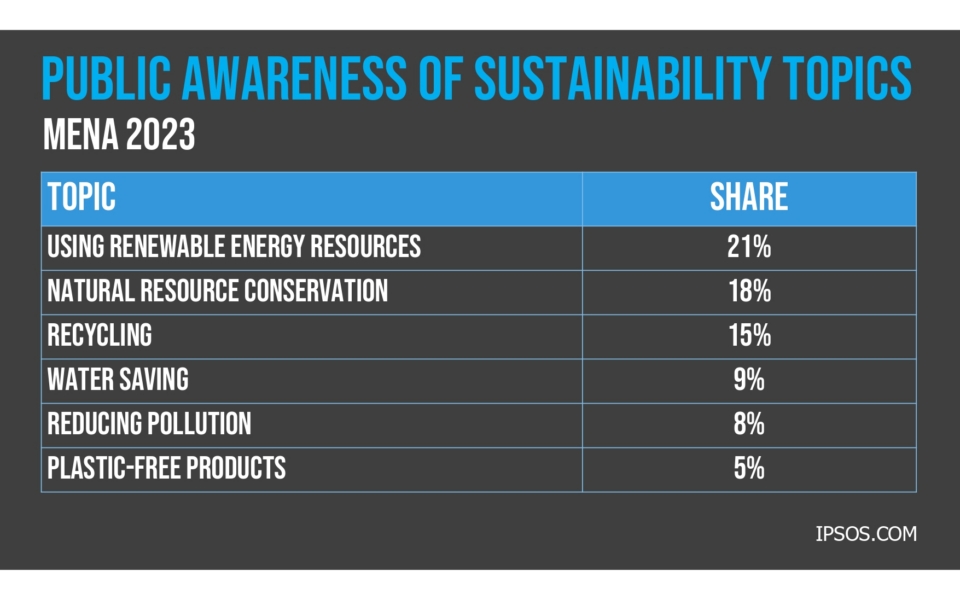
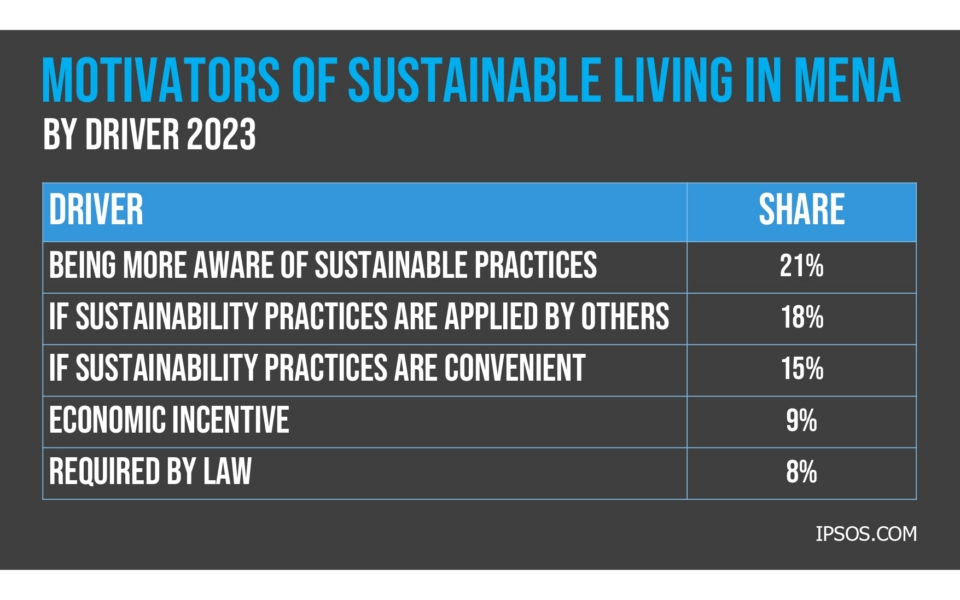
The broader sustainability landscape in MENA is also evolving. Sustainable Finance, ESG Investments, and public awareness of environmental issues have all expanded significantly recently. Businesses, governments, and communities are increasingly recognizing that sustainability is not only an environmental responsibility but also an economic opportunity. Together, these trends indicate that the region is entering a new phase in which Renewable Energy, climate innovation, and sustainable development will play a central role in shaping its future prosperity.
An important enabler of the renewable energy transition is the rapid advancement of Sustainable and Green Artificial Intelligence (AI). This green AI optimizes its internal energy consumption by improving efficiency and increasing reliance on renewable energy sources. It continuously monitors energy system conditions, environmental factors, and levels of power generation and consumption.
NEW: AI-OPTIMIZATION FOR RENEWABLE ENERGY MANAGEMENT UTILIZING THE NEW 5.5G NETWORK
As an advanced and cutting-edge communication technology available only in the GCC region, it is faster than the current 5G network and also offers the Environmental Benefit of reducing energy consumption and emissions. The new 5.5G (also known as 5G-Advanced or 5G-A) smart networks improve capabilities and are being set up in the GCC region as part of a major collaboration between Huawei and GCC’s leading telecom carriers: STC, Zain, and Ooredoo, to build and operate 5.5G cell towers paired with 5.5G routers.
For example, for 5.5G operation, Huawei uses advanced technologies such as Carrier Aggregation (CA), FDD-TDD Integration, and intra-band contiguous to increase network efficiency and reduce network energy consumption. Additionally, AI-driven multi-cell scheduling is employed to utilize the available spectrum efficiently while reducing power consumption. By quickly adjusting network resources according to traffic and app requirements, these Smart Networks enhance connectivity, prolong device battery life, and offer the fast, low-delay support necessary for easily establishing and managing Smart Grids, Renewable Energy Systems, and future Smart Sustainable Cities in the MENA region.
One scenario involves the AI Smart Grid System switching from Solar Energy to Wind Energy at night or during overcast conditions. If wind speeds are insufficient to meet power demand, the AI system can draw on energy stored in the battery storage system. As a final option, the AI system may also draw power from the city grid, which relies on conventional power plants that use gas or coal. These options are the least sustainable and most damaging to the environment due to their Greenhouse Gas Emissions.
The system tracks the carbon movement in the fuel used. If no carbon escapes to the atmosphere during power consumption, it’s considered clean, low-carbon energy. Some carbon is released from solar panels and wind turbines, but it’s negligible compared to the metric tonnes of CO₂ produced from power plants that escape to the atmosphere and contribute to emissions, smog, and other negative environmental impacts. Adopting the Circular Carbon Economy is an efficient way to reduce carbon emitted to the atmosphere; instead, efficient energy systems produce fewer carbon emissions. Using carbon capture technologies returns the carbon to the soil, where it is stable. Green ammonia, blue hydrogen, and green hydrogen are also new technologies that show their commitment to reducing emissions and transitioning towards cleaner, greener energy sources to combat pollution and climate change.
Power: The emphasis is on prioritizing Green Energy use over conventional energy from fossil fuel power plants. Sustainable AI examines external smart energy systems, continually enhancing their efficiency and increasing reliance on renewable energy in real time. This involves shutting down or idling unnecessary systems to lower energy consumption, like turning off idling cars and adopting next-generation communication networks. Innovative low-energy and green AI technologies can significantly boost the performance of renewable energy systems by improving power generation, predicting energy demands, reducing waste, and facilitating rapid decision-making. Sustainable AI in renewable energy optimization.
In this slideshow, you will learn about MENA Renewable Energy Data and Outlook 2026.